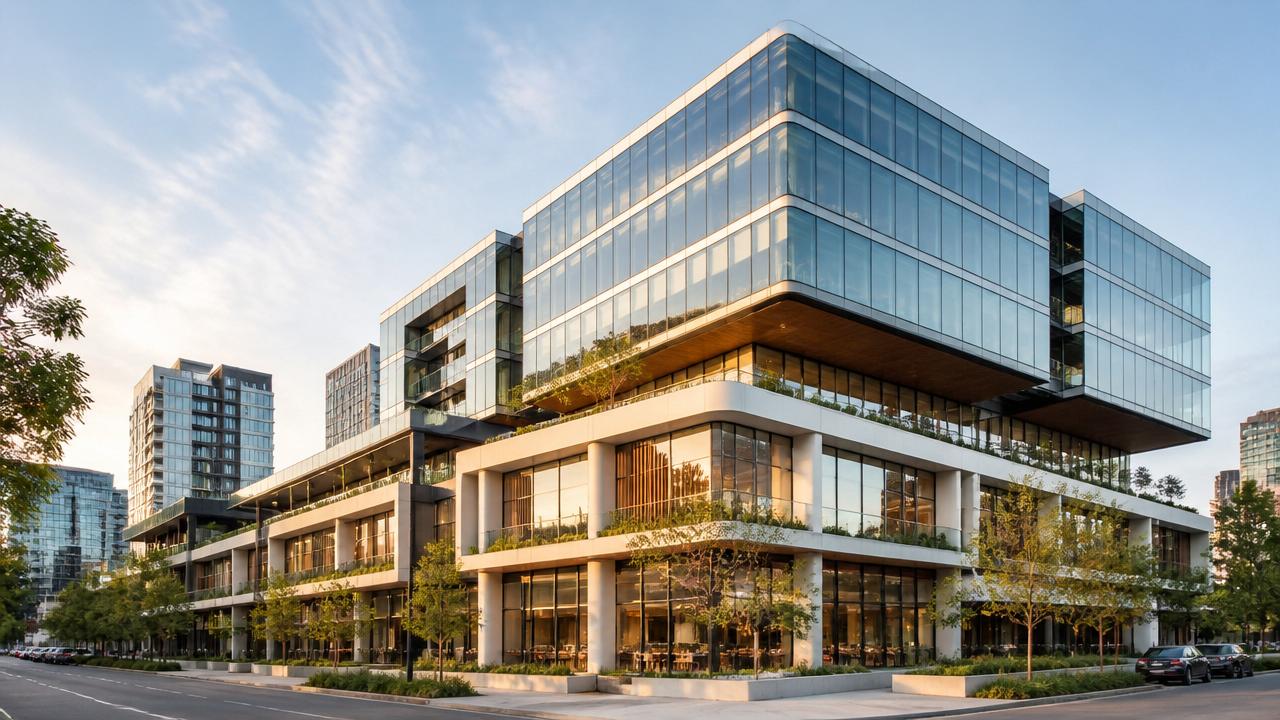
Moving from residential investing into the world of commercial real estate is an exciting milestone for any Australian business owner or investor. Unlike residential properties, which are often driven by emotional appeal and suburb growth, a commercial property purchase is primarily a numbers game focused on yield, lease security, and operational utility. Whether you are looking for a warehouse in an industrial precinct, a retail shopfront, or a professional office suite, understanding the mechanics of commercial finance is the first step toward a successful acquisition.
Understanding Commercial Loan Structures and LVRs
One of the most significant differences you will encounter during a commercial property purchase is the way lenders view risk. For a standard residential home, it is common to see Loan-to-Value Ratios (LVR) as high as 80% or 95%. In the commercial sector, however, lenders typically require a larger equity contribution.
Most commercial mortgages operate at an LVR of 65% to 75%. This means you will likely need a larger deposit upfront or sufficient equity in existing assets to secure the deal. Furthermore, the term of the loan is often shorter. While residential loans generally span 30 years, commercial loans may range from 15 to 25 years, and some lenders use 'balloon' payments or require regular reviews of the facility. Working with a broker is essential here to identify which lenders offer the most flexible terms for your specific asset class.
The Role of the Lease Agreement
In residential real estate, a vacant house is often easier to sell. In a commercial property purchase, a vacancy can actually be a hurdle for financing. Lenders place immense value on the 'Weighted Average Lease Expiry' (WALE) and the quality of the tenant currently occupying the space.
If you are buying an investment property, the lender will scrutinise the lease agreement to ensure the rental income covers the debt obligations (known as the interest cover ratio). They will look at:
- Lease Duration: How long until the tenant can vacate?
- Outgoings: Does the tenant pay for rates, insurance, and repairs (a 'net' lease), or does the landlord cover them (a 'gross' lease)?
- Annual Increases: Are there fixed annual percentage increases or CPI-linked adjustments?
If you are purchasing the property to run your own business (owner-occupied), the lender will instead focus on your business's trading history and cash flow to ensure you can service the loan.
Navigating GST and Stamp Duty
Costs associated with a commercial property purchase differ from residential transactions. One critical factor is the Goods and Services Tax (GST). Generally, GST is payable on the purchase price of a commercial property. However, if the property is currently leased and sold as a 'going concern', you may be exempt from paying GST on the sale price.
It is vital to consult with a qualified accountant before signing a contract to ensure the 'going concern' requirements are met. Additionally, stamp duty remains a significant cost, and the rates and exemptions vary significantly between Australian states and territories. Ensure your budget accounts for these acquisition costs well before you reach the settlement phase.
Due Diligence and Property Type
Commercial property is a broad category, and the risks vary between sectors. Retail, industrial, and office spaces each have different vacancy risks and maintenance requirements. During your due diligence period, you should consider:
- Zoning and Permitted Use: Ensure the local council allows your intended business activity or the activities of potential future tenants.
- Environmental Reports: For industrial sites, ensuring there is no land contamination is a standard requirement for both you and your lender.
- Building Condition: Commercial repairs can be significantly more expensive than residential ones. A thorough structural and services report (HVAC, fire safety, etc.) is non-negotiable.
- Location and Infrastructure: Proximity to transport hubs, main roads, or foot traffic (depending on the asset type) will dictate the long-term capital growth and tenant retention.
The Importance of Pre-Approval
The commercial market often moves quickly, and many properties are sold via auction or 'Expression of Interest' (EOI) campaigns. Having a commercial finance pre-approval in place gives you the confidence to negotiate or bid.
Commercial valuations are also more complex than residential ones. The valuer will look at the capitalisation rate (yield) of comparable properties in the area and the replacement cost of the building. Because valuations can sometimes take longer to coordinate in the commercial space, starting the conversation with your broker early is the best way to avoid delays when you find the right opportunity.
Partner with the Experts at SW Brokerage
Securing a commercial property purchase requires a strategic approach and a deep understanding of how Australian lenders assess commercial risk. At SW Brokerage, we specialise in helping clients navigate the complexities of commercial finance, from initial assessment through to settlement.
Every business and investment portfolio is unique. We take the time to understand your long-term goals, whether you are looking to stop paying rent to a landlord or seeking to diversify your investment income. Contact the SW Brokerage team today to discuss your commercial property ambitions and find a financing solution tailored to your needs.
Ready to talk to a broker?
Get tailored finance and lending advice from the SW Brokerage team.